
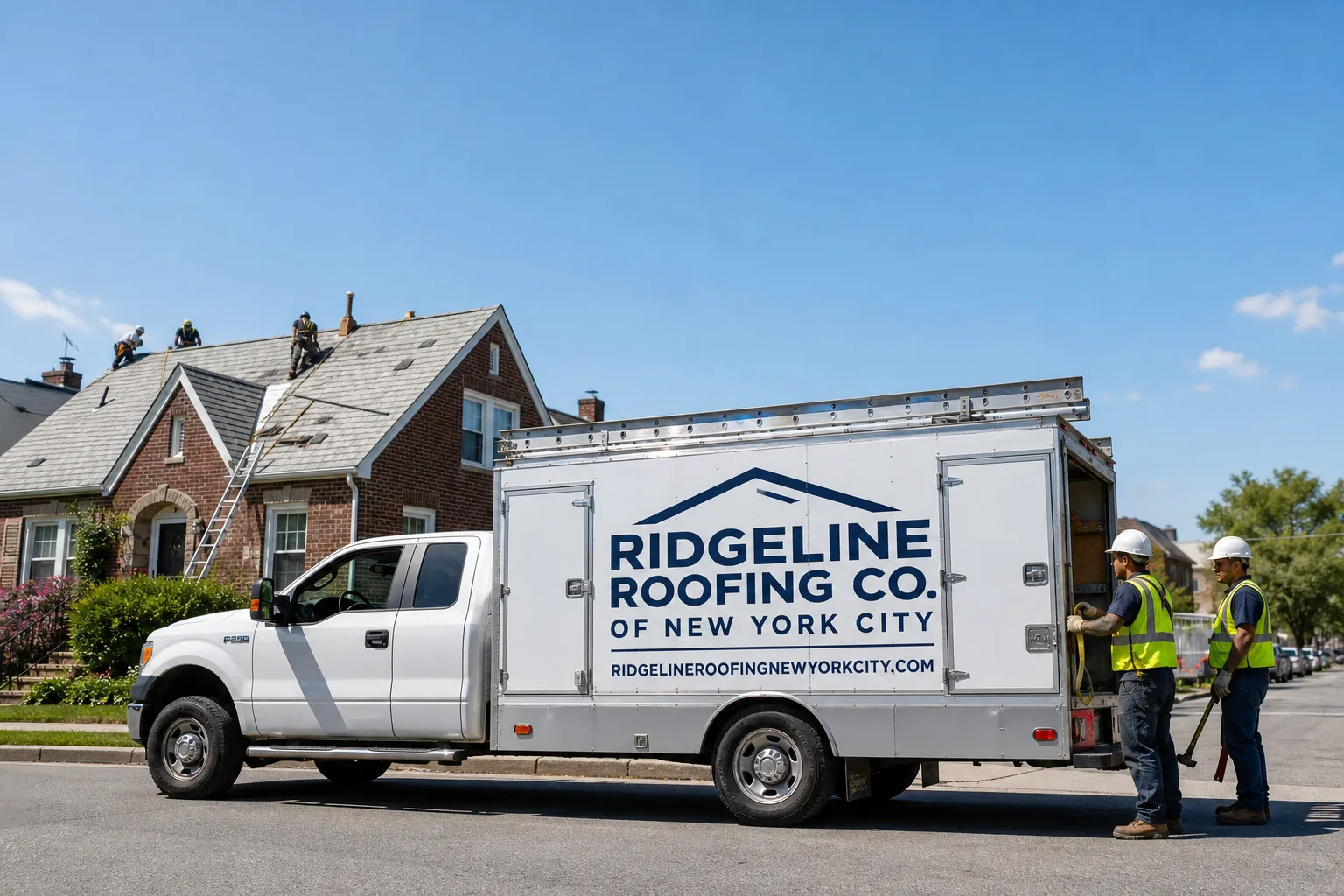
Fast, Reliable Specialty Roofing Across Financial District
Specialty roofing repair in Financial District typically costs $4,500-$18,000 depending on system type and access complexity, with most inspections scheduled same-day and emergency response within 2-4 hours to the 10045 ZIP code and surrounding blocks. We’re Ridgeline Roofing Co. of New York City, and we’ve been climbing the pre-war skyscrapers and post-9/1 conversions of Lower Manhattan since 2016. Our Specialty Roofing team knows the difference between a routine membrane patch on a glass curtain-wall tower and a landmarked parapet repair that needs Landmarks Preservation Commission sign-off before a single tool comes out of the truck. Call (866) 756-1978 - a live person answers, 24/7, including weekends and storm nights.
Why Ridgeline Roofing Co. of New York City Is Financial District’s Preferred Specialty Roofing Company
We’ve worked the rooftops of Financial District for over 42 years, from the ornate copper cornices of the Woolworth Building block to the mechanical-heavy TPO systems atop post-2001 residential conversions near Fulton Street. Our technicians are background-checked, uniformed, and trained to document every inspection with photos from your actual roof - not a scary speech in the driveway.
Financial District property managers call us because we understand the neighborhood’s triple-layered reality: NYC DOB permits, potential LPC review, and the logistical puzzle of crane picks through some of the most congested urban canyons on earth. We recently replaced a corroded parapet cap on a landmarked pre-war high-rise near 40 Wall Street. The original galvanized steel flashing had failed from salt-laden winds off the Hudson, so we installed custom-bent copper with lead-coated stainless fasteners, coordinating with the Landmarks Commission for approval before cutting any metal.
Our 90-Day Done Right Promise means if it’s not right, we come back and make it right - no paperwork, no arguing, no runaround. The price we quote is the price you pay. And we’ll be there when we say.
Our Specialty Roofing Services in Financial District
Modified Bitumen Roofing
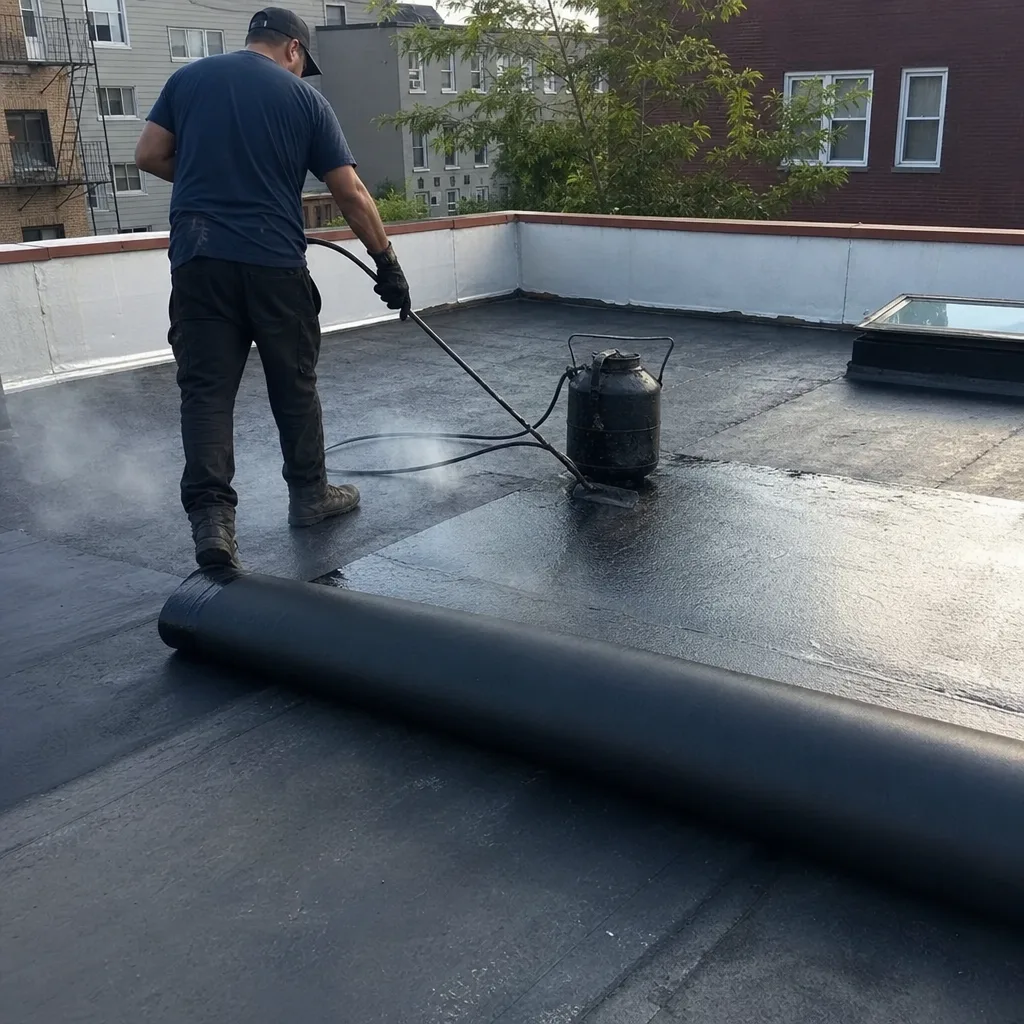
Modified bitumen remains the workhorse for many of Financial District’s older commercial and converted residential towers, particularly those with multiple decades of patched layers hiding beneath the surface. The torch-applied or self-adhering membranes we install - Atlas and Tamko systems among them - stand up to the foot traffic and equipment loads common on FiDi rooftops crowded with HVAC units and wooden water towers. We use thermal imaging on every modified bitumen assessment here, because trapped moisture between old BUR layers and new cap sheets is a chronic problem in pre-war stock where substrate rot spreads silently.
Built-Up Roofing (BUR)
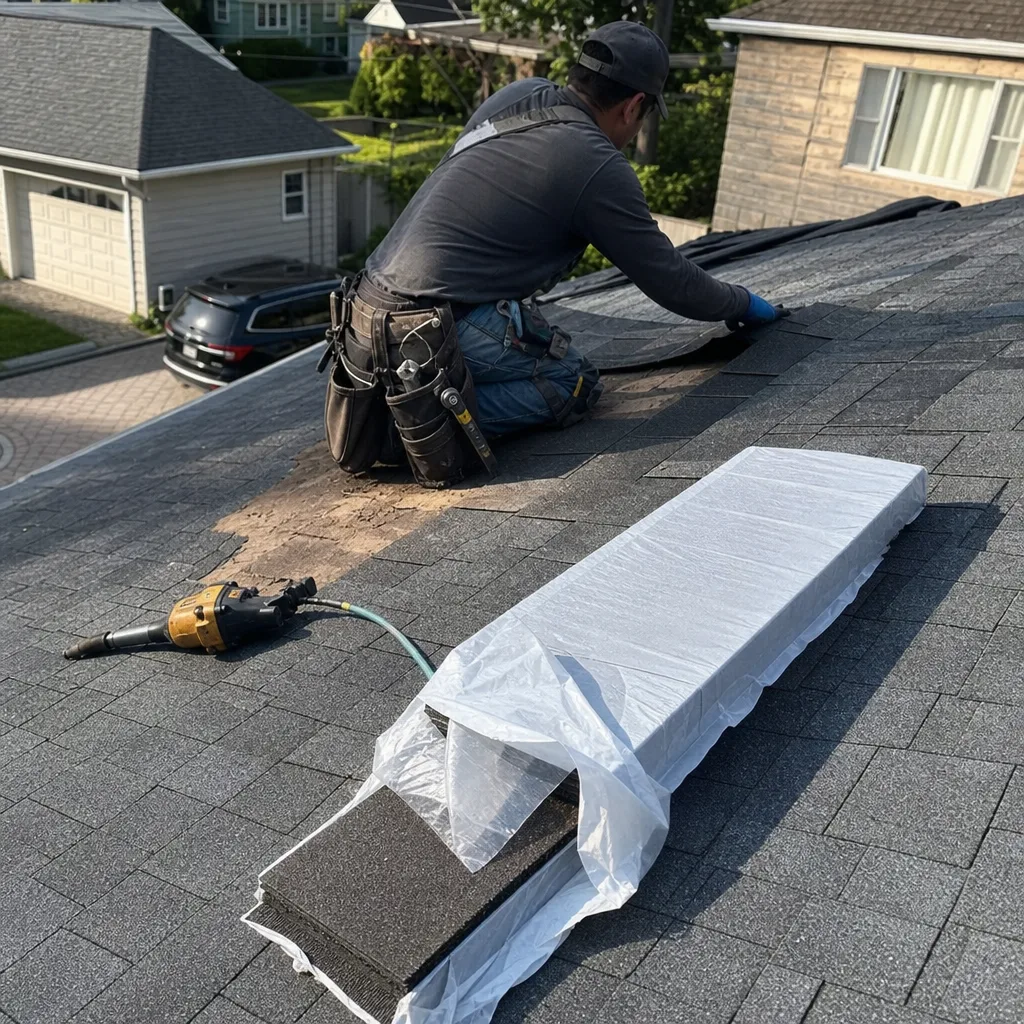
The original built-up roofing on Financial District’s 1900-1940 skyscrapers was never designed to handle today’s mechanical density or the salt-laden air that accelerates gravel surfacing loss. We encounter BUR systems with four, five, even six layers of partial repairs - each one trapping more moisture. Our approach: remove to sound substrate where possible, rebuild with proper slope toward scuppers, and specify coal-tar pitch or fiberglass-reinforced asphalt appropriate to the building’s exposure. On landmarked structures, we match historical appearance while upgrading waterproofing performance, filing LPC documentation when parapet lines or visible surfacing changes.
TPO Roofing
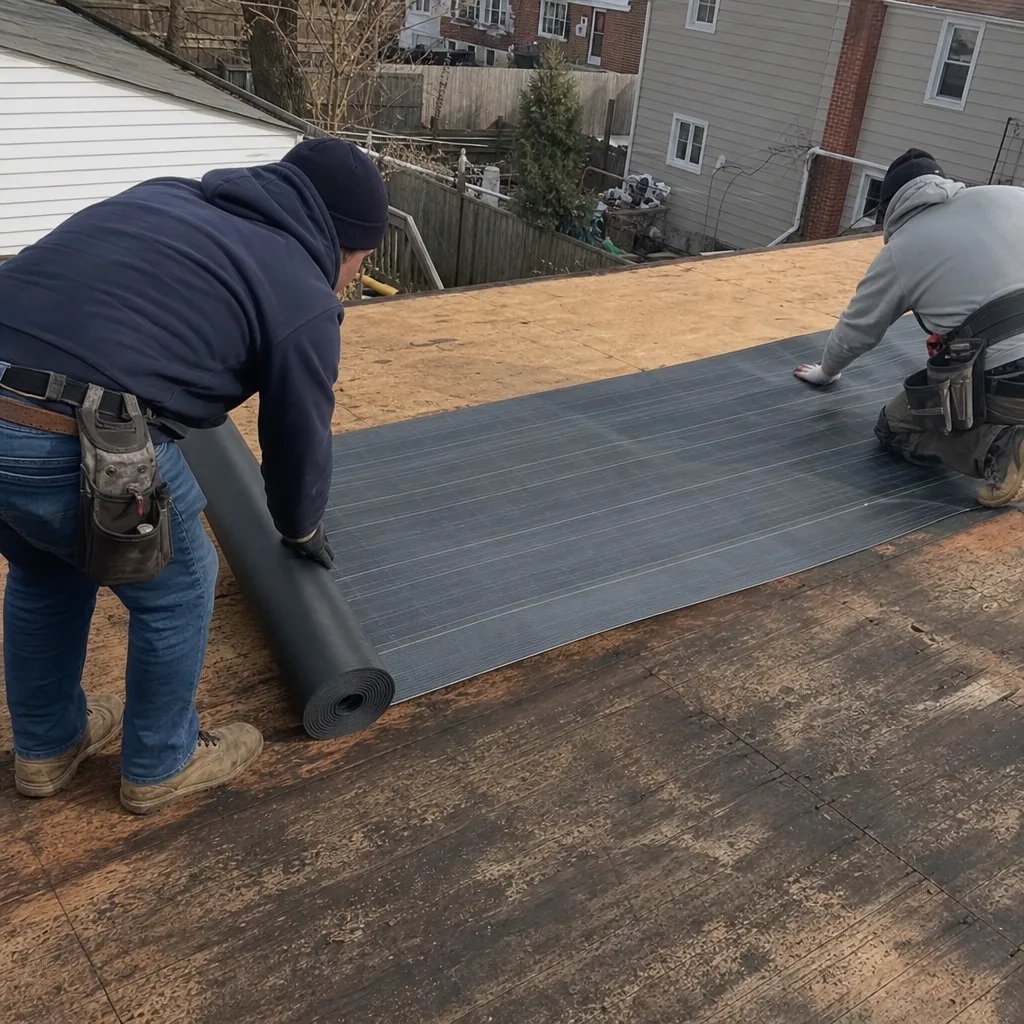
Newer Financial District towers and glass curtain-wall conversions increasingly use TPO single-ply membranes for their reflective properties and heat-welded seam strength. The white or tan surfaces reduce cooling loads in summer, but the real test comes in January when sustained winds off the Hudson and East River test every seam and penetration flash. We install IKO and CertainTeed TPO systems with reinforced perimeters and properly weighted ballast or fully adhered attachment - critical in a neighborhood where wind uplift ratings matter. Rooftop equipment supports on these buildings require custom-fabricated curbs and sleepers; we build them in our shop to avoid field cuts that compromise membrane integrity.
EPDM Roofing
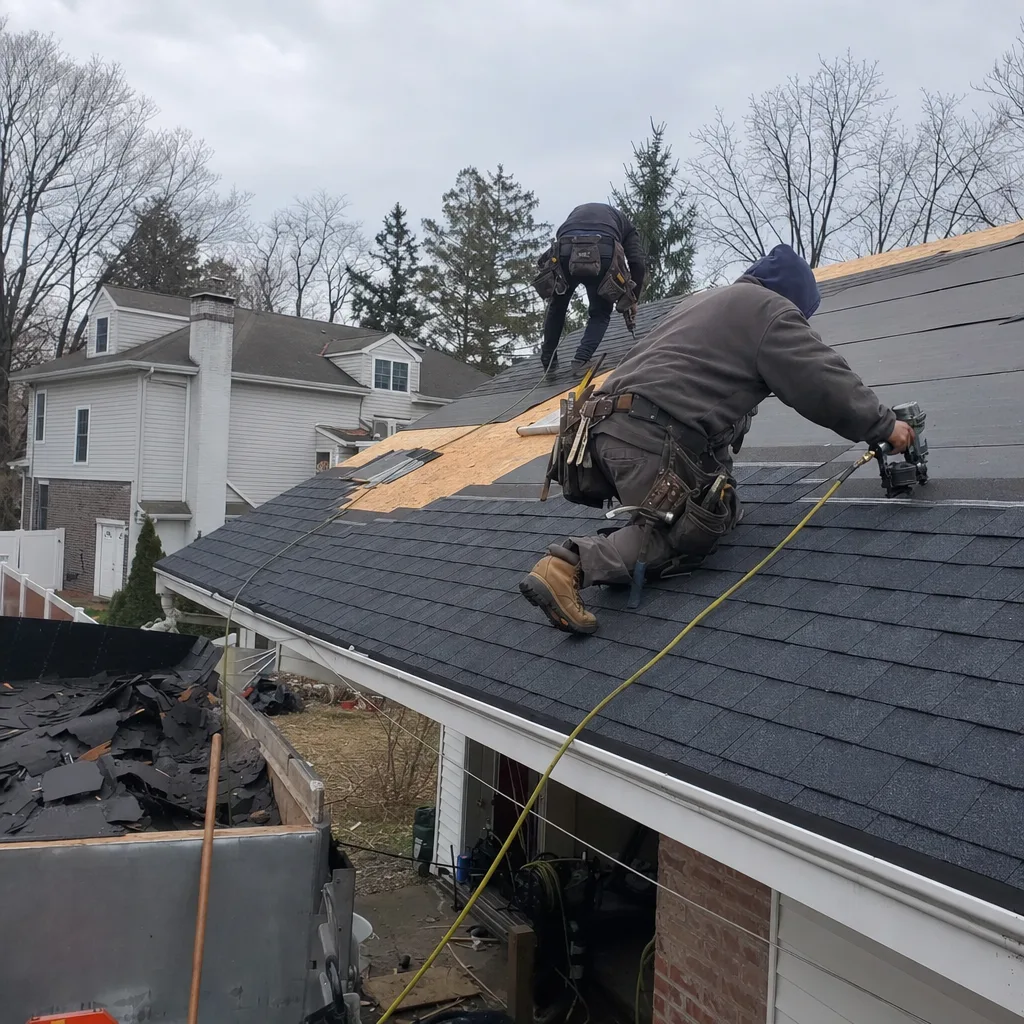
EPDM’s rubber membrane flexibility suits certain Financial District applications, particularly on roofs with complex geometry or numerous penetrations from mechanical equipment. The black surface absorbs winter heat - useful for snow melt, though it increases cooling demand in August. We specify seam tapes and adhesives rated for the temperature swings and UV exposure that FiDi’s unobstructed rooftop environments experience, with particular attention to detail work around water tower legs and elevator bulkheads that concentrate stress.
Solar Ready Roofing
Condo boards and building managers in Financial District’s newer residential towers increasingly ask for solar-ready specifications during re-roofing. We engineer the structural loading, electrical conduit pathways, and membrane penetration details upfront - installing reinforced attachment zones and sealed standoffs that protect the roof warranty while allowing future panel installation without tearing up new membrane.
Green Roof Systems
Intensive and extensive green roofs face serious constraints in Financial District. The load-bearing capacity of pre-war steel-frame structures must be verified by a structural engineer before soil, drainage, and vegetation layers are specified. We’ve consulted on several FiDi green roof feasibility studies, and the honest answer is often that lightweight modular systems or rooftop amenity decks make more sense than full green roofs on buildings never designed for saturated soil loads. Where structurally viable, we install multi-layer waterproofing with root barriers and drainage composite - typically over TPO or EPDM base membranes from our authorized manufacturer lines.
What happens when you call
- 1
A real person answersNo phone trees - you reach a local pro.
- 2
You get an upfront price rangeHonest numbers before anyone is dispatched.
- 3
A background-checked tech heads outLicensed & insured, dispatched right away.
- 4
You approve before work beginsNothing starts until you say go.
Trusted Brands We Service in Financial District
We’re authorized installers for seven manufacturer brands: GAF, CertainTeed, Owens Corning, IKO, Atlas, Tamko, and Boral. For Financial District customers, this means we stock common membrane rolls, fasteners rated for coastal corrosion, and custom metal fabrication materials locally - not ordered from a warehouse three states away when your roof is leaking into a tenant’s server room. Our shop fabricates copper, lead-coated copper, and stainless steel flashing to match existing architectural details on landmarked buildings, with turnaround times that keep LPC-coordinated projects on schedule.
Common Specialty Roofing Problems We See in Financial District Homes
- Salt-laden air corrosion. Situated at the southern tip of Manhattan with the Hudson River, East River, and Upper New York Bay converging on three sides, rooftops here face elevated sustained wind uplift and persistent salt-laden air that accelerates membrane seam failure and metal flashing corrosion faster than in midtown or uptown. We see parapet cap failures in 5-7 years instead of the typical 15-20.
- Hurricane Sandy legacy damage. The 2012 storm surge flooded the neighborhood to depths of several feet, exposing chronic vulnerabilities in rooftop drain scupper alignment and below-grade waterproofing tie-ins that roofers working in this corridor still remediate today. Unaddressed scupper blockages still cause ponding and membrane degradation during heavy rains.
- Trapped moisture in layered BUR systems. Multiple decades of patched built-up roofing on older pre-war skyscrapers create hidden moisture trapped between layers, leading to substrate rot and seam failure that is difficult to detect without thermal imaging. We’ve stripped roofs with six partial repairs, each concealing saturated insulation beneath.
- LPC permit delays on visible alterations. In the Financial District, the dense concentration of Landmarks Preservation Commission-designated pre-war skyscrapers means any specialty roofing work altering visible parapet caps or rooftop bulkheads requires an LPC permit, a regulatory step that can delay projects by weeks and is unique to this neighborhood. Most roofers outside Lower Manhattan have never navigated this process.
Pricing for Specialty Roofing in Financial District, NY
| Service | Typical Range in Financial District |
|---|---|
| Modified bitumen repair (localized, under 500 sq ft) | $4,500 - $8,500 |
| BUR removal and replacement (per sq ft, landmarked building) | $18 - $35 |
| TPO membrane installation (fully adhered, per sq ft) | $12 - $22 |
| Parapet cap replacement with LPC coordination | $8,500 - $18,000 |
| Thermal imaging moisture survey | $650 - $1,200 |
| Emergency leak response and temporary patching | $1,200 - $3,500 |
Financial District pricing runs 15-25% above borough averages due to access logistics, permit complexity, and the specialized materials required for coastal corrosion resistance. Landmark status adds LPC filing fees and extended timeline costs. We provide no-hassle upfront pricing: the number on the estimate is the number on the invoice. Call (866) 756-1978 for a free, itemized estimate - no obligation, no pressure.
We Also Serve Cities Near Financial District
Our crews respond throughout Lower Manhattan and across the river, including Manhattan, New York City, Chinatown, and Brooklyn Heights. Each neighborhood gets the same standard: background-checked technicians, photo-documented inspections, and the 90-Day Done Right Promise. Whether your building stands on Pearl Street or across the Brooklyn Bridge, we’ll be there when we say.
Serving Financial District, NY - Our Local Coverage Area
We’re based in the Financial District area and know this community well. Use the map below to see our service coverage - if you’re nearby, we can almost certainly help.
FAQs - Specialty Roofing in Financial District
Yes, if the work alters any visible parapet cap, cornice, or rooftop bulkhead on an LPC-designated structure - which includes much of the pre-war stock near 40 Wall Street, the Woolworth Building block, and Fraunces Tavern block. We handle the LPC filing as part of our project management, including historical documentation and material match verification. Call (866) 756-1978 to confirm your building’s status and timeline.
We recommend twice-yearly inspections for Financial District flat and low-slope roofs - spring and fall - because salt-laden air from the converging rivers accelerates corrosion of metal flashing, parapet caps, and fasteners. Annual inspections are sufficient for newer TPO or EPDM systems with stainless hardware, but pre-war buildings with original galvanized detailing need closer monitoring. Our $89 Seasonal Tune-Up includes drainage check, seam assessment, and photo documentation.
Fully adhered or mechanically attached TPO with reinforced perimeters offers the best wind-uplift resistance for newer towers, while modified bitumen or rebuilt BUR with proper slope remains appropriate for older buildings where historical appearance matters. The specific choice depends on structural loading, LPC constraints, and equipment density. We specify materials from our authorized lines - never substitutions - and engineer attachment for your building’s exposure.
Yes, any parapet work exceeding minor patching typically requires both NYC Department of Buildings filing and Landmarks Preservation Commission approval for visible alterations on designated buildings. The DOB permit addresses structural and safety compliance; the LPC permit ensures historical compatibility. We coordinate both filings, including engineer sign-off and contractor insurance documentation. Most FiDi projects need 3-6 weeks for full permit approval, though emergency stabilization can proceed faster.
Usually no - the structural load capacity of 1900-1940 steel-frame skyscrapers rarely supports saturated green roof systems without extensive and expensive reinforcement. We’ve evaluated several FiDi buildings where the honest assessment was that modular tray systems or rooftop amenity decking made more sense. Where structural engineers approve the loading, we install multi-layer waterproofing with root barriers over TPO or EPDM base membrane. Call for a feasibility consultation; we’ll tell you straight if it doesn’t pencil out.
Written by Sal Benedetto, Owner at Ridgeline Roofing Co., serving Financial District and New York City since 2016.