
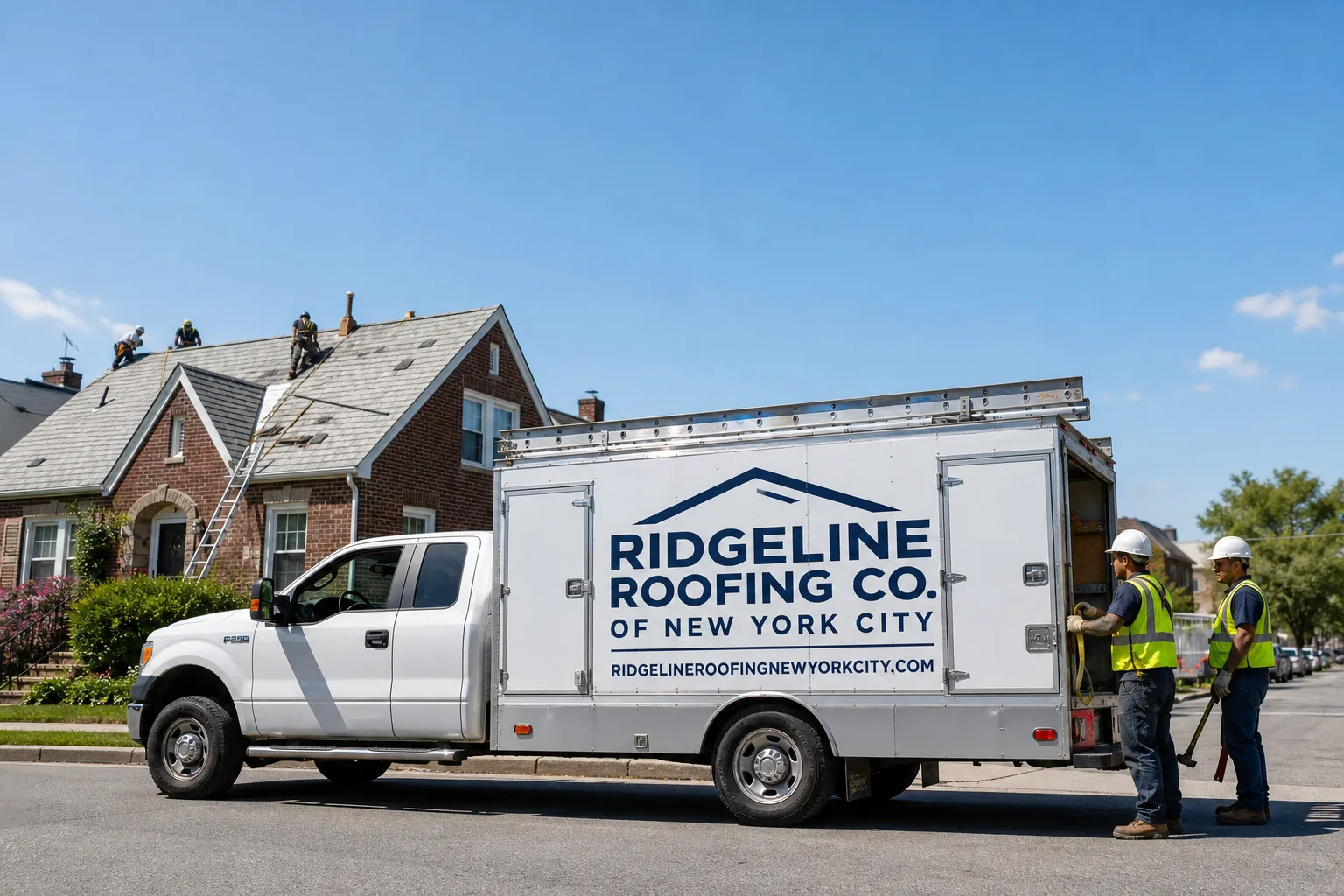
Best Specialty Roofing When New York City Homeowners Need It Most
We’ve completed specialty roofing work on over 400 flat-roof and low-slope buildings across New York City’s five boroughs. That volume matters here more than it would almost anywhere else in the country. New York City’s housing stock doesn’t behave like suburban roofing markets - the millions of attached brownstones, tenements, and walk-up apartment buildings across Brooklyn, Queens, the Bronx, and Manhattan almost exclusively use modified bitumen or built-up roofing (BUR) systems, not the pitched asphalt shingles that dominate every neighboring suburb. Every roof replacement in NYC also requires navigating the NYC Department of Buildings permitting process and often coordinating with co-op boards, condo associations, or management companies rather than individual homeowners - a bureaucratic layer no neighboring suburb demands. We’ve learned how to move projects through that system without the delays that sink less experienced contractors.
What Makes a Specialty Roofing Company the Best in New York City?
- Proper NYC licensing and DOB compliance. New York City requires a Home Improvement Contractor license and proper registration with the Department of Buildings for any roofing project exceeding repair scope. We carry both, and we know the difference between a job that needs a simple permit versus one requiring full DOB filing and inspection scheduling. Many out-of-area contractors don’t understand this distinction until a stop-work order arrives.
- Insurance that actually covers urban roofing work. General liability isn’t enough in a dense market. We’re fully insured and bonded with coverage appropriate for multi-story masonry buildings, shared-wall properties, and sidewalk protection requirements. Ask to see a certificate of insurance before you hire anyone - and verify it lists commercial roofing, not just residential handyman work.
- Verified track record on flat and low-slope systems. The best specialty roofer in New York City isn’t judged by shingle brands they carry. Look for documented experience with modified bitumen torch-down, cold-applied membranes, built-up gravel roofs, and proper coping and flashing integration with parapet walls. We’ve replaced membranes on pre-war tenements in Washington Heights, installed new modified bitumen on Queens walk-ups, and handled emergency parapet repairs after Nor’easters in Brooklyn.
- Warranty terms you can enforce locally. A “lifetime” warranty from a contractor who disappears after two years is worthless. We back our specialty roofing work with manufacturer-backed warranties through CertainTeed and Owens Corning on qualifying systems, plus our own workmanship guarantee. Our office is in New York City. We’re not driving back to Pennsylvania or Long Island’s east end when a seam opens up in year three.
- Response time that matches the emergency. NYC’s freeze-thaw cycle - with temperatures repeatedly crossing the 32°F threshold from November through March - is the primary failure driver for flat roofs. When ponding water meets a clogged drain and thermal expansion cracks a membrane seam, you don’t have days to wait. We offer same-day emergency response for active leaks and next-day assessment for everything else during the winter season.
Ridgeline Roofing Co. of New York City’s Credentials & Proof
Licensed & Compliant: State-licensed and fully registered with the NYC Department of Buildings. We pull permits correctly the first time and coordinate inspections without leaving you to chase paperwork.
Insured & Bonded: Full commercial roofing coverage with bonding appropriate for co-op and condo board requirements. We’ll provide a certificate of insurance directly to your management company or board president.
Years of Local Experience: We’ve worked exclusively in the New York City market long enough to understand its specific failure patterns - ice dams in poorly insulated top-floor apartments, wind-driven rain exploiting parapet flashing gaps every February and March, thermal cycling damage that suburban roofers simply don’t encounter.
Strong Local Reputation: Our work is visible across Brooklyn, Queens, Manhattan, and the Bronx. We receive referral business from property managers, co-op boards, and homeowners who’ve seen our roofs hold up through multiple winter seasons.
Material Certifications: Certified installer for CertainTeed and Owens Corning commercial and specialty roofing systems. We also work with IKO and Atlas products when a project’s specifications or board requirements call for them.
What New York City Customers Say
“We’re a co-op board in a pre-war Brooklyn building, and the previous roofer left us with a stop-work order and a half-removed BUR system. Ridgeline came in, sorted the DOB filing, and finished the job without us having to manage the bureaucracy ourselves. That alone was worth the price.” - A New York City co-op board member, Brooklyn
“Our top-floor apartment had ice dam damage three winters running. The first two companies just patched the ceiling stain. Ridgeline found the actual ventilation problem and fixed the membrane at the parapet wall. No leaks since, going on four years now.” - A New York City homeowner, Queens
“We live in a landmarked district and needed LPC approval for any visible material change. They knew exactly what documentation the Landmarks Preservation Commission wanted, and they proposed a membrane color and texture that passed review on the first submission. Other roofers we called had never even heard of LPC.” - A New York City homeowner, Brooklyn Heights
How We Compare to Other Specialty Roofing Companies in New York City
The wrong specialty roofer in New York City costs you more than money. Here’s what separates contractors who thrive here from those who fail their customers.
Unlicensed or improperly permitted work. Some contractors avoid DOB permits entirely, or they ask homeowners to pull permits as “owner-builders” to sidestep their own compliance gaps. This leaves you legally exposed and can void your insurance coverage if something goes wrong. We handle permitting as standard practice, and we know which jobs trigger full filing versus simpler repair permits.
Insurance that doesn’t match the risk. Residential handyman liability coverage often excludes commercial roofing, multi-story work, or shared-wall properties. If a worker drops material onto a sidewalk or damages a neighbor’s property, you could be left holding the claim. Our coverage is structured for the actual work we do in New York City’s dense built environment.
Bait-and-switch pricing on flat-roof systems. A low quote for “roof repair” that doesn’t specify membrane type, insulation replacement, or drain work often balloons once the old material comes off. We provide itemized estimates with material specifications - modified bitumen versus TPO, cold-applied versus torch-down, whether insulation or decking replacement is included. You’ll know the full scope before work begins.
No understanding of co-op, condo, or landmark requirements. In landmarked historic districts like Brooklyn Heights, Cobble Hill, and Greenwich Village, the NYC Landmarks Preservation Commission must approve roofing material changes visible from the street. A roofer who recommends a bright white TPO membrane on a front-facing mansard or low-slope section can inadvertently kill a job that requires LPC sign-off, adding weeks to the timeline before a nail is pulled. We’ve navigated this process repeatedly and know how to propose compliant solutions from the start.
Disappearing after the check clears. Warranty claims, callback requests, and minor adjustments are normal in roofing. Contractors who commute from outside the metro area or who operate without a fixed local presence often become unreachable. Our team is based in New York City. We answer our phones, and we return to address concerns.
Frequently Asked Questions - Best Specialty Roofing in New York City
Check the NYC Department of Buildings website for active Home Improvement Contractor registration, and confirm the company carries state-level licensing for roofing work. Ask for their license number and verify it directly - don’t accept a business card at face value. We’re fully registered and state-licensed, and we’ll provide documentation before any work begins. Call (866) 756-1978 if you’d like us to walk you through what to look for.
Hiring based on shingle brand familiarity rather than flat-roof expertise. New York City’s dominant stock of pre-war masonry row houses, tenements, and multifamily walk-ups - typically 3- to 6-story attached brick buildings with flat or very low-slope roofs - requires completely different skills than pitched-roof suburban work. A contractor who talks primarily about asphalt shingles probably doesn’t understand modified bitumen, BUR gravel stops, or parapet coping details. We’ve seen homeowners pay twice because the first contractor applied suburban solutions to urban problems.
Most full flat-roof replacements on typical NYC walk-ups and row houses range from $8,500 to $22,000 depending on square footage, membrane type, insulation condition, and access constraints. Modified bitumen torch-down generally runs $6.50-$10.50 per square foot installed, while premium cold-applied or hybrid systems run higher. TPO and PVC can make sense for certain applications but aren’t always appropriate for landmarked properties or buildings with specific board requirements. We provide free, itemized estimates with no pressure to commit - call (866) 756-1978 to schedule.
Yes, same-day emergency specialty roofing in New York City, NY is available for active leaks during the winter season. NYC’s freeze-thaw cycle means flat roof failures peak from late January through March, and we staff accordingly. Temporary patching and water diversion can usually stop immediate damage, with permanent repair scheduled for the next weather window. For emergency service, call (866) 756-1978 - we answer 24 hours during storm periods.
Most residential flat-roof replacements on 3- to 6-story buildings take 3-7 working days once permits are in hand. The permitting itself adds 2-4 weeks for DOB filing and inspection scheduling, and co-op or condo board approval can add additional time depending on meeting schedules. Landmark district projects require LPC review, which we build into our timeline estimates from the start. We don’t promise unrealistic schedules just to win the bid.
Get the Best Specialty Roofing Service in New York City - Free Estimate
We’ve earned our reputation one building at a time across New York City’s five boroughs. Whether you’re managing a co-op board project, dealing with an emergency leak, or finally replacing a failing membrane before next winter’s freeze-thaw cycle, we’ll give you a clear assessment and an honest price. No pressure, no surprises, no disappearing acts.
Call (866) 756-1978 for your free estimate. We’ll answer your questions and schedule an inspection at your convenience.
Written by the team at Ridgeline Roofing Co. of New York City, serving Brooklyn, Queens, Manhattan, the Bronx, and Staten Island.
What Our Customers Say
"The leak over the kitchen turned out to be a cracked boot around a vent pipe, not the roof. He showed me the photo from up there and replaced the boot for a couple hundred dollars. The company before him had quoted a full tear off."
- Wade Thompson"Three cracked tiles and one that had slipped. Matched the tile, no color mismatch, half a day of work."
- Darius Prince"Went up in the attic first with a flashlight before going on the roof, which no other estimator bothered to do. Found the stain and worked backward from there."
- Beatriz Morales