
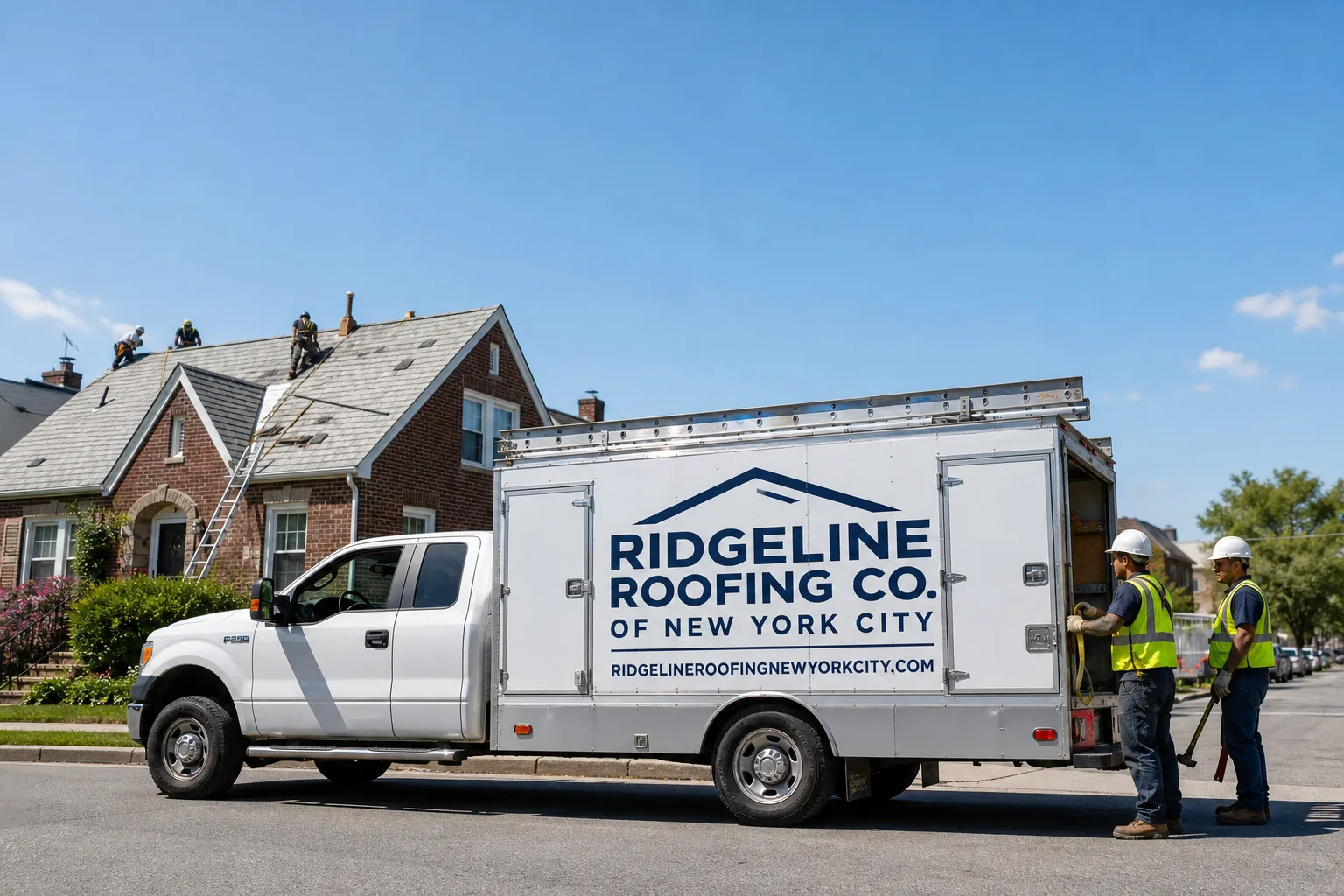
Fast, Reliable Emergency & Storm Damage Across Cypress Hills
When a nor’easter tears through Cypress Hills and water starts showing on your ceiling, you need a crew that knows 11207 - not a dispatcher reading from a map three states away. We’ve been answering emergency calls in this neighborhood since 2016, and we understand that a flat-roofed brick row house on Cleveland Street or Jamaica Avenue presents challenges no suburban shingle roof ever will. Our Emergency & Storm Damage team keeps live phones staffed around the clock, and we typically reach Cypress Hills properties within 45-60 minutes during active storms. Call (866) 756-1978 and a real person will pick up, take your details, and get trucks rolling.
Why Ridgeline Roofing Co. of New York City Is Cypress Hills’s Preferred Emergency & Storm Damage Company
We’ve stood behind roofs in Cypress Hills for over 42 years, long enough to have worked on the same buildings twice - once for the original homeowner, again for their children. That continuity matters when you’re trusting someone with your home during a crisis.
Our reputation here is built on showing up. Not next week. Not “between 8 and 5.” When the wind lifts a membrane at 2 a.m. and your top-floor tenant is calling, we answer. Our technicians are background-checked, uniformed, and trained to document every inspection with photos from your actual roof - not guesses from the sidewalk. The 90-Day Done Right Promise backs every repair: if it’s not right, we make it right. No paperwork war, no runaround.
We know the permitting landscape too. Every emergency repair in Cypress Hills requires NYC DOB compliance and adherence to NYC Building Code Chapter 15. We’ve navigated those filings hundreds of times. Other contractors stumble; we move.
Our Emergency & Storm Damage Services in Cypress Hills
Storm Damage Repair
Storm damage in Cypress Hills rarely stays confined to one address. The attached and semi-detached brick row houses that define this neighborhood - built roughly 1905 to 1935 - share party walls and continuous rooflines. When a membrane fails or a parapet coping dislodges, water can migrate into two or three neighboring homes before anyone spots the origin. Our crews are trained to trace leak paths across multiple units, coordinate access with adjacent owners, and repair with materials that match the existing system. We install GAF Liberty SBS-modified bitumen, CertainTeed Flintlastic, and Owens Corning modified systems - the products engineered for low-slope urban roofs, not suburban pitch.
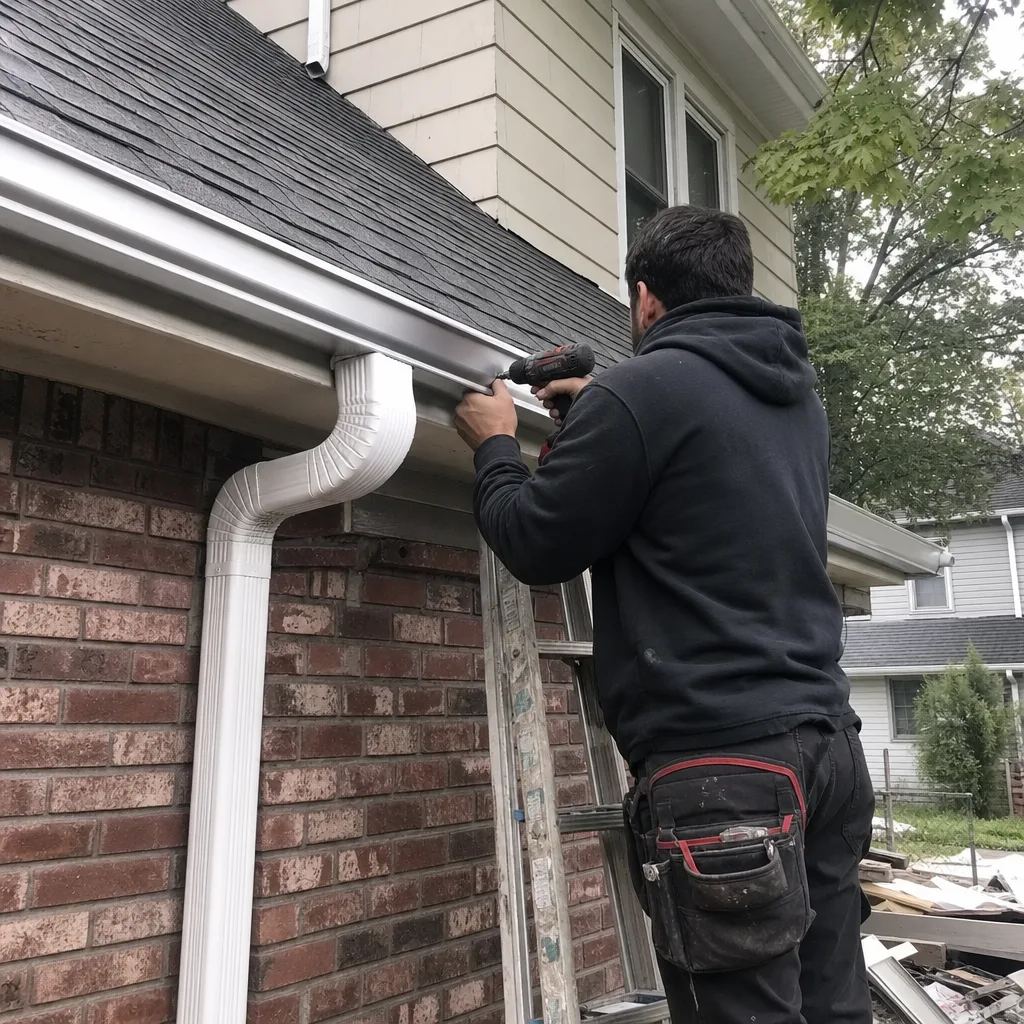
Emergency Tarp
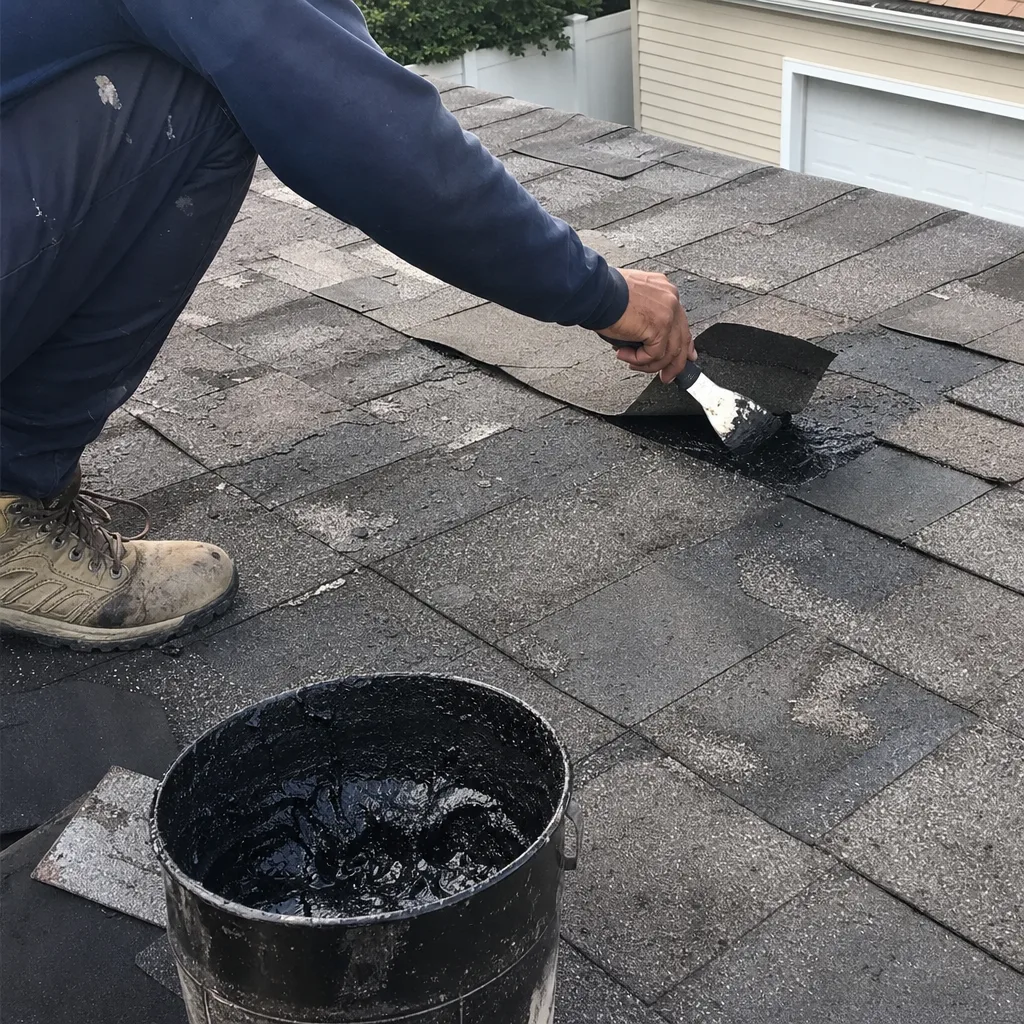
Emergency tarping on a flat roof with shared walls demands precision you won’t get from a storm-chaser with a hammer and blue poly. We use weighted, non-penetrating tarp systems where possible to protect membrane integrity, and we secure perimeter ballast without damaging neighboring copings. Most emergency tarp installations in Cypress Hills are completed in a single visit, buying you time for permanent repair while keeping adjacent units dry. During a nor’easter, we responded to a 1920s-attached brick row house on Cleveland Street, two blocks from the J/Z line, where storm-driven rain was entering through a loosened parapet counterflashing; we installed a GAF Liberty SBS-modified bitumen emergency patch and secured the reglet with epoxy-anchored fasteners to counter the vibration-induced movement, stopping water migration to the adjacent unit.
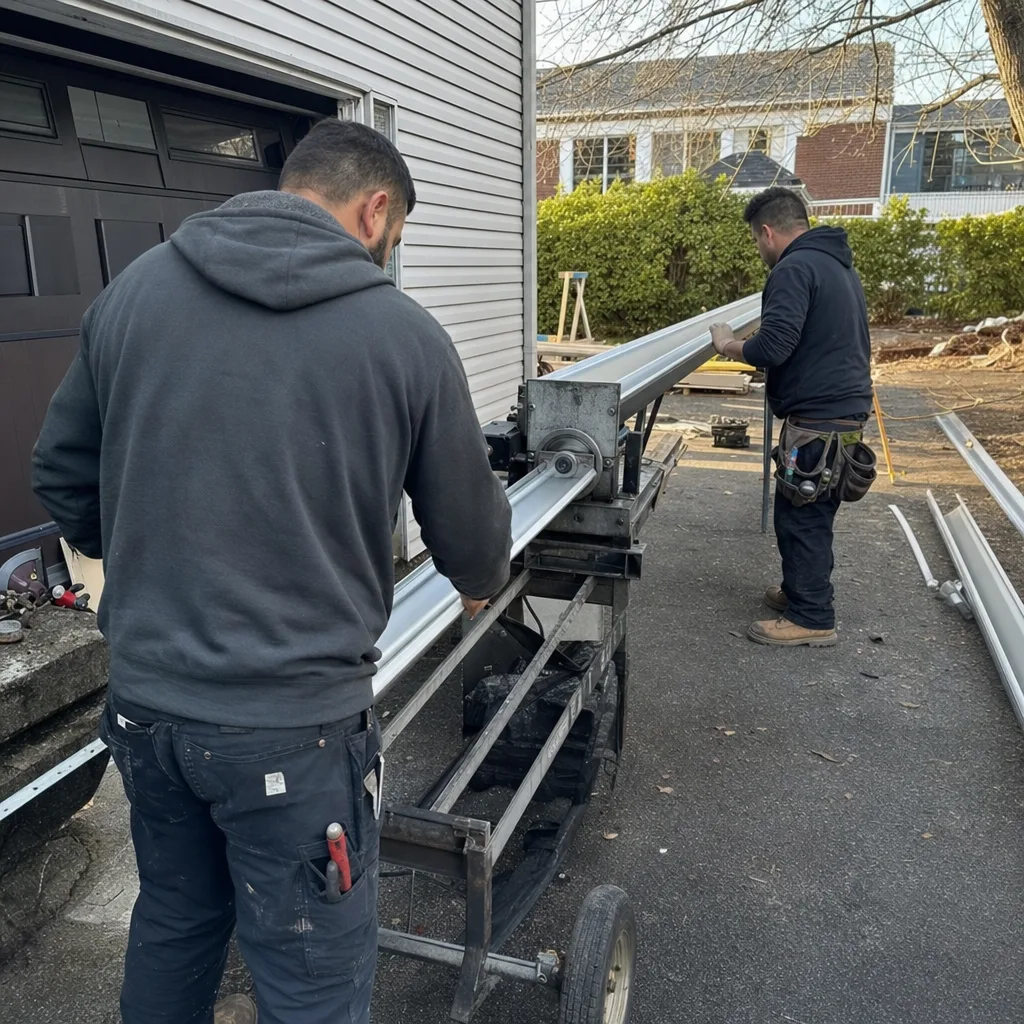
Insurance Claims
Older row houses complicate insurance claims. Carriers often dispute whether damage is “sudden and accidental” or the result of long-term maintenance neglect, especially with 90-year-old built-up gravel membranes. We document everything: dated photos, moisture-meter readings, membrane core samples when needed, and written narratives that distinguish storm-caused failure from gradual deterioration. Our estimates use Xactimate pricing where carriers require it, and we meet adjusters on-site to walk them through what we found. We’ve helped Cypress Hills homeowners secure full replacement approvals on policies they were told would only cover patch repairs.
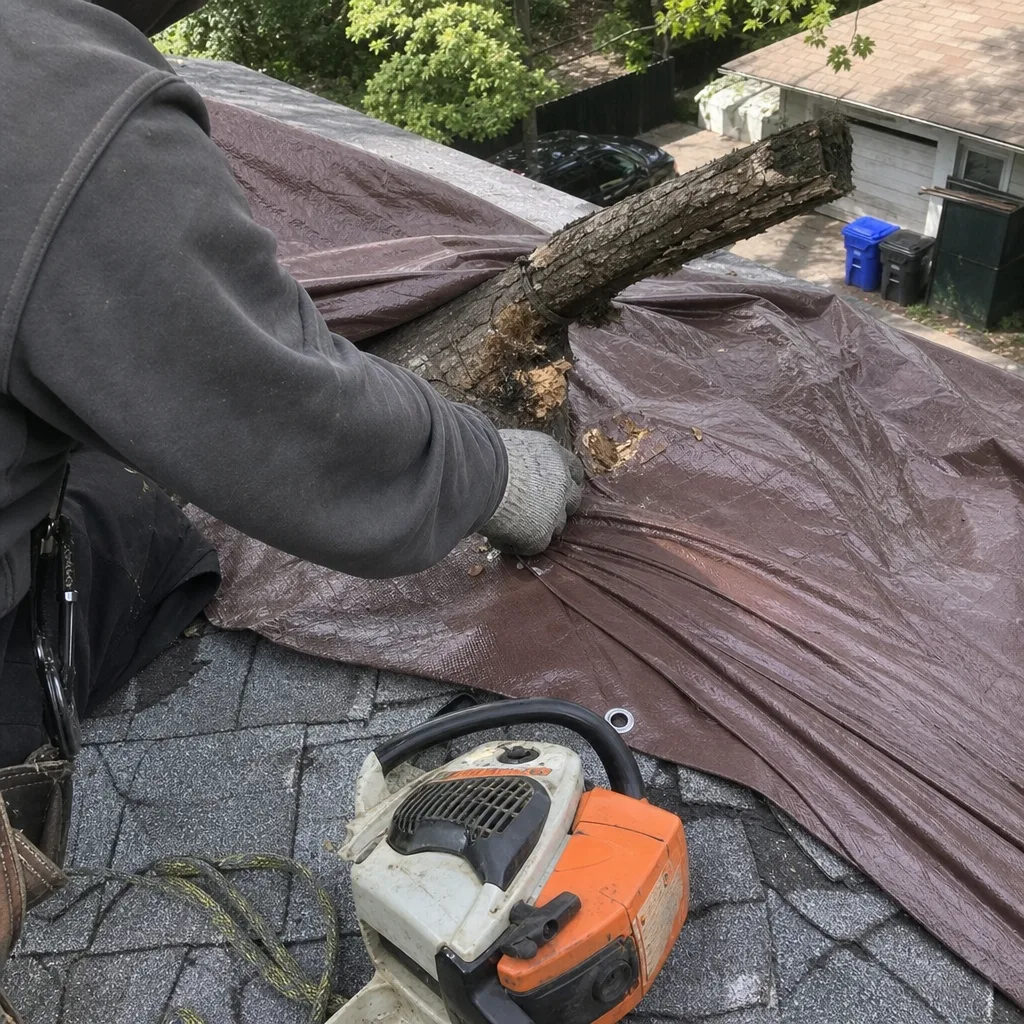
Wind Damage
Wind damage on flat roofs looks different here than in tree-lined suburbs. The real threat isn’t shingles peeling; it’s uplift pressure on membrane edges, scupper covers tearing loose, and parapet copings becoming projectiles on Jamaica Avenue or Fulton Street. We inspect edge metal, coping anchors, and counterflashing reglets - the components that keep a flat roof system sealed when gusts hit 50+ mph. After every major wind event, we find loose reglets within a block of the elevated J/Z tracks. Vibration had already compromised the mortar; wind finished the job.
What happens when you call
- 1
A real person answersNo phone trees - you reach a local pro.
- 2
You get an upfront price rangeHonest numbers before anyone is dispatched.
- 3
A background-checked tech heads outLicensed & insured, dispatched right away.
- 4
You approve before work beginsNothing starts until you say go.
Trusted Brands We Service in Cypress Hills
We don’t substitute materials. When your roof needs repair, we install what the system was designed for - or better. We’re authorized installers for seven manufacturer lines, and for Cypress Hills’s flat and low-slope roofs, we most often draw from CertainTeed’s Flintlastic SA line, Owens Corning’s WeatherLock and modified bitumen systems, and IKO’s Torchflex and cold-applied membranes. We stock core materials locally, which means faster turnaround on emergency repairs and no waiting for a distributor run while your ceiling sags. Atlas and Tamko products are available for specialized applications or matching existing warranties. Every installation follows manufacturer specifications to the letter; shortcuts void warranties, and we don’t take that risk with your home.
Common Emergency & Storm Damage Problems We See in Cypress Hills Homes
- Subway vibration loosens parapet counterflashing reglets. The elevated J/Z line along Jamaica Avenue generates chronic low-frequency vibration that accelerates mortar-joint cracking and loosens counterflashing reglets in nearby row houses, a failure mode absent in neighborhoods farther from the tracks. During heavy rain, these gaps become direct channels for bulk water entry.
- Shared scuppers and party-wall copings fail simultaneously across multiple attached homes. Because Cypress Hills row houses share drainage and wall systems, one compromised scupper can back water onto several roofs. We routinely coordinate emergency repairs across two or three addresses to stop cascading damage.
- Aging built-up gravel membranes blister and split during freeze-thaw cycles. New York City’s repeated freeze-thaw cycles - temperatures crossing 32°F dozens of times each winter - are particularly punishing to the flat roof membranes and unreinforced masonry parapets that define the Cypress Hills streetscape, causing membrane blistering, mortar joint erosion, and coping displacement that allow bulk water intrusion well before a homeowner notices a ceiling stain.
- Storm-driven debris damages aging masonry parapets. Original coping stones from the 1920s and 1930s erode, shift, or dislodge under wind and impact. Once the coping fails, the parapet wall beneath saturates, freezes, and spalls - accelerating structural damage that emergency tarping alone cannot address.
Pricing for Emergency & Storm Damage in Cypress Hills, NY
We believe in a square deal: the price we quote is the price you pay. For Cypress Hills’s market, typical emergency services run as follows: emergency tarping for flat-roof row houses, $350-$650 depending on square footage and parapet access; storm damage repair with modified bitumen patching, $800-$2,400 for localized membrane replacement and reglet securing; full parapet rebuilding with new coping and counterflashing, $3,200-$6,800; and insurance claim documentation and adjuster meeting, included with repair at no additional charge. Factors that affect cost: roof accessibility (some Cypress Hills alleys won’t accommodate our boom truck), extent of party-wall coordination needed, and whether NYC DOB emergency permitting is required. We provide no-hassle upfront pricing before any work begins, and estimates are always free. Call (866) 756-1978 for an exact quote.
We Also Serve Cities Near Cypress Hills
Our emergency response radius covers the full eastern Brooklyn corridor. We regularly handle storm damage calls in Cypress Hills and neighboring East New York, Brownsville, Canarsie, and Ridgewood - the same flat-roof housing stock, the same building codes, the same need for crews who understand attached urban construction. Wherever you are in 11207 or the surrounding zip codes, our response time and standards don’t change.
Serving Cypress Hills, NY - Our Local Coverage Area
We’re based in the Cypress Hills area and know this community well. Use the map below to see our service coverage - if you’re nearby, we can almost certainly help.
FAQs - Emergency & Storm Damage in Cypress Hills
The chronic low-frequency vibration from passing trains accelerates mortar-joint cracking and gradually loosens the metal reglets that secure counterflashing to masonry parapets. We see this failure pattern routinely within one to two blocks of Jamaica Avenue and rarely in comparable buildings a half-mile away. If your row house sits near the elevated structure, we inspect reglet anchoring as standard practice during every emergency call. Call (866) 756-1978 and we’ll assess your parapet condition - estimates are free.
Yes, and we take specific precautions to protect neighboring units. Our tarps use weighted ballast or adhesive perimeter seals rather than penetrations that could compromise shared parapets or adjacent membranes. We also notify adjoining owners when access to their roofline is necessary for proper securing. Most Cypress Hills emergency tarp installations are completed in a single visit. Call (866) 756-1978 for immediate response.
New York’s winter temperatures cross the freezing point repeatedly, expanding water trapped in membrane blisters and masonry joints with each cycle. In Cypress Hills, this produces split BUR membranes and spalling parapet walls that fail suddenly during rain events - what looks like storm damage often has freeze-thaw deterioration as the underlying cause. Our emergency repairs address both the immediate leak and the compromised substrate to prevent rapid recurrence. Call (866) 756-1978 for an inspection that identifies root cause, not just symptom.
Yes. We document storm-caused damage with dated photos, moisture readings, and written narratives that distinguish sudden failure from long-term wear. For Cypress Hills’s 1905-1935 housing stock, we frequently encounter carrier disputes over whether aging membranes qualify for full replacement; our documentation and adjuster meetings have helped many homeowners secure approvals they were initially denied. There is no additional charge for our claims assistance when you hire us for repair. Call (866) 756-1978 to discuss your situation.
Water infiltration through failed parapet flashings or split flat roof membranes during heavy rain, typically discovered when a ceiling stain appears or a top-floor tenant reports dripping. Because these buildings have minimal attic space, there’s almost no buffer between roof failure and interior damage - response time matters. Our 24/7 live-answer phones mean you reach us immediately, and we aim to be on-site within 45-60 minutes. Call (866) 756-1978 the moment you spot trouble.
When the storm hits Cypress Hills, you need a crew that knows the neighborhood’s roofs, its buildings, and its unique challenges. We’ve been here since 2016, and we’ll be here long after this storm passes. A live person answers every call, 24 hours a day. No voicemail trees. No callback windows. Just steady, honest work backed by our written 90-Day Done Right Promise.
Call (866) 756-1978 now for a free estimate. We’ll be there when we say.
Written by Sal Benedetto, Owner at Ridgeline Roofing Co., serving Cypress Hills since 2016.