
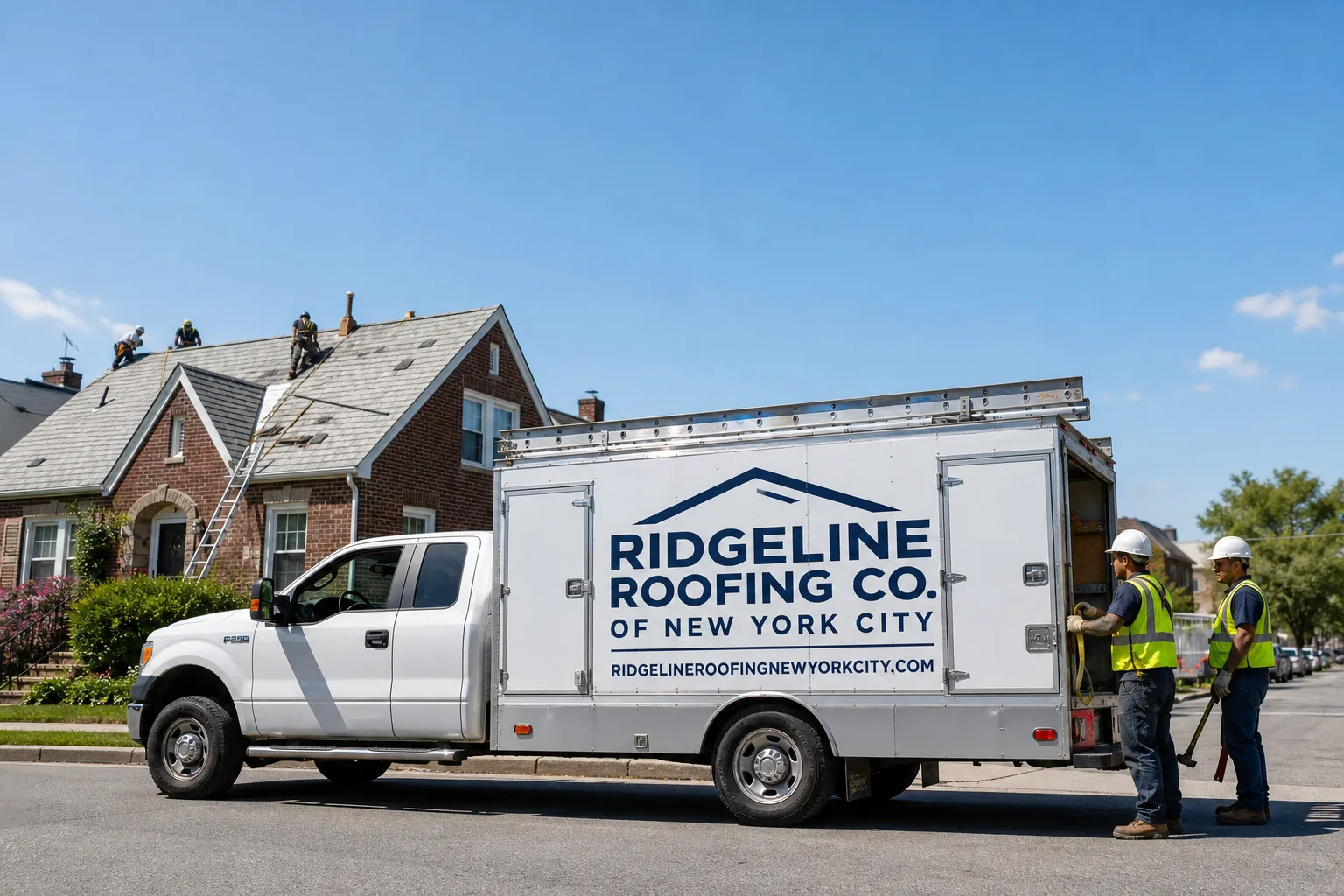
Fast, Reliable Emergency & Storm Damage Across Long Island City
When a nor’easter rips through Long Island City and your roof starts taking on water, you need a crew that knows the building you’re in, not just the trade. We’re Ridgeline Roofing Co., and we’ve been answering emergency calls in Long Island City since 2016. A live person picks up our phones 24 hours a day, seven days a week, including nights, weekends, and the middle of a storm. Most emergency tarp and temporary sealing jobs in Long Island City are completed in a single visit, and we carry the materials on our trucks to handle both legacy industrial flat roofs and modern high-rise systems without waiting for deliveries. Call (866) 756-1978 now for immediate response.
Long Island City’s rooftops are not like Queens neighborhoods even a mile inland. The converted factory lofts along 5th Street and the Hunters Point waterfront, the brick walk-ups near Sunnyside’s border, and the glass towers rising along Center Boulevard each demand different emergency protocols. Our technicians are background-checked, uniformed, and trained to document every inspection with photos from your actual roof, not the driveway below. We’ve spent four decades learning what holds and what fails on Long Island City’s specific building stock, and we put that knowledge to work the moment we arrive.
Why Ridgeline Roofing Co. of New York City Is Long Island City’s Preferred Emergency & Storm Damage Company
Our reputation in Long Island City was built one emergency call at a time. Condo boards in converted industrial buildings from the 1920s and 1930s call us back because we understand the surprise waiting beneath their modified-bitumen cap sheets: original coal-tar pitch built-up roofing that triggers NYC DEP hazardous-material protocols the moment storm damage exposes it. Residential-focused contractors from outside the area often miss this entirely, leading to project shutdowns and fines that delay repairs by weeks.
We typically reach Long Island City properties within 45-60 minutes of an emergency call, faster for riverfront buildings in Hunters Point where water intrusion accelerates quickly. Our crews know the local streets, the loading restrictions on converted loft buildings, and the property managers who need immediate photo documentation for their insurance carriers. Sal Benedetto, who leads Ridgeline Roofing Co., has personally overseen emergency storm response in Long Island City for decades, and our 90-Day Done Right Promise applies to every emergency repair we complete: if it is not right, we come back and make it right, no paperwork, no arguing.
Our Emergency & Storm Damage Services in Long Island City
Storm Damage Repair
Storm damage repair in Long Island City starts with understanding what kind of building we’re walking onto. A pre-1940 brick factory loft on 47th Avenue carries a massive low-slope roof originally built with coal-tar pitch BUR, often buried under two or three subsequent cap-sheet re-covers. When wind uplift from the channeled East River corridor peels back the surface, we don’t just patch what we see. We test the exposed layers, coordinate DEP notification if coal-tar pitch is present, and design a repair that accounts for Long Island City’s specific wind and salt-air exposure. Our repair estimates are upfront: the number we quote is the number you pay.
Emergency Tarp
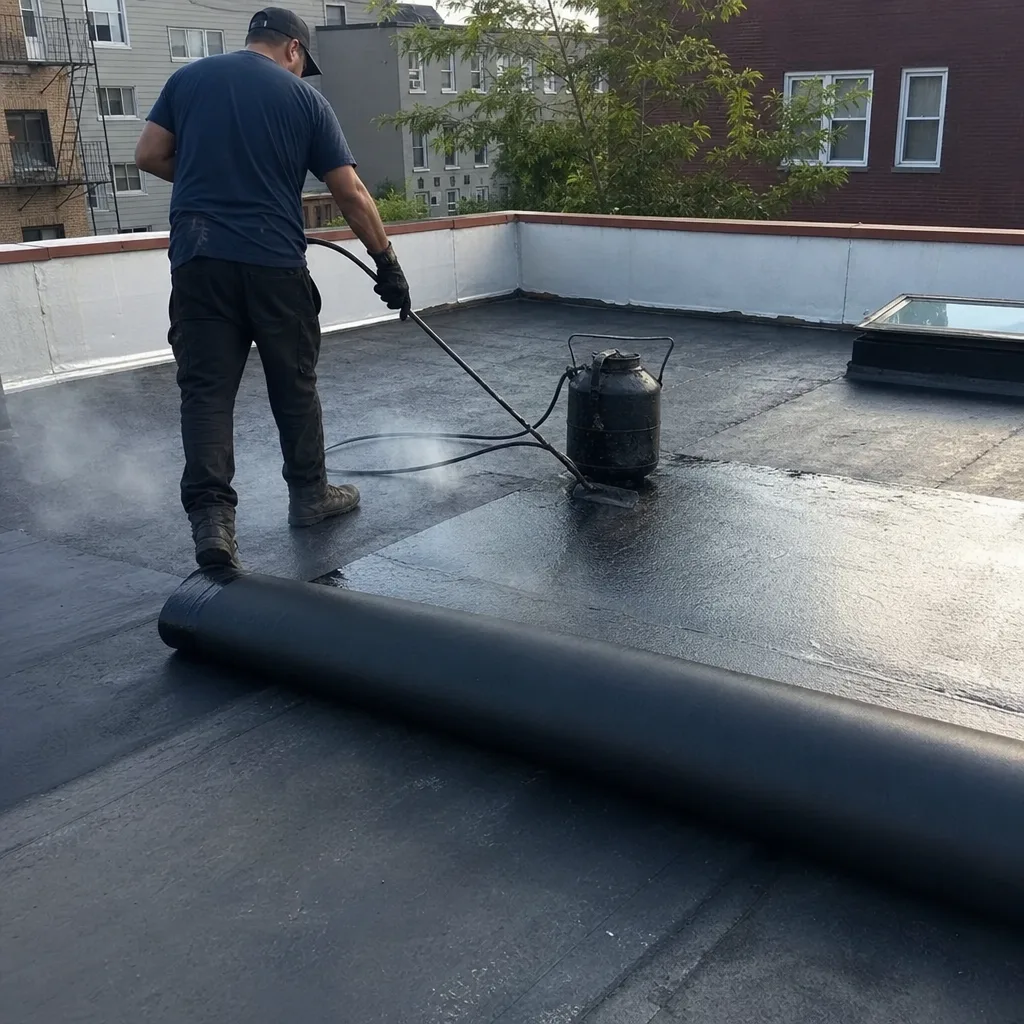
Emergency tarping on Long Island City roofs, especially near the Hunters Point waterfront, demands more than a standard blue poly sheet and sandbags. The wind acceleration between Midtown Manhattan’s towers and Long Island City’s rising high-rises creates uplift forces that tear standard tie-downs free within hours. Our emergency tarps use reinforced edge tie-downs anchored to structural parapets or mechanical curbs, not just gravel stops. For converted lofts with occupied units below, we install temporary protection that channels water to existing drains without adding load to compromised decking. Same-day deployment is standard; most Long Island City emergency tarp calls are secured before nightfall.
Insurance Claims
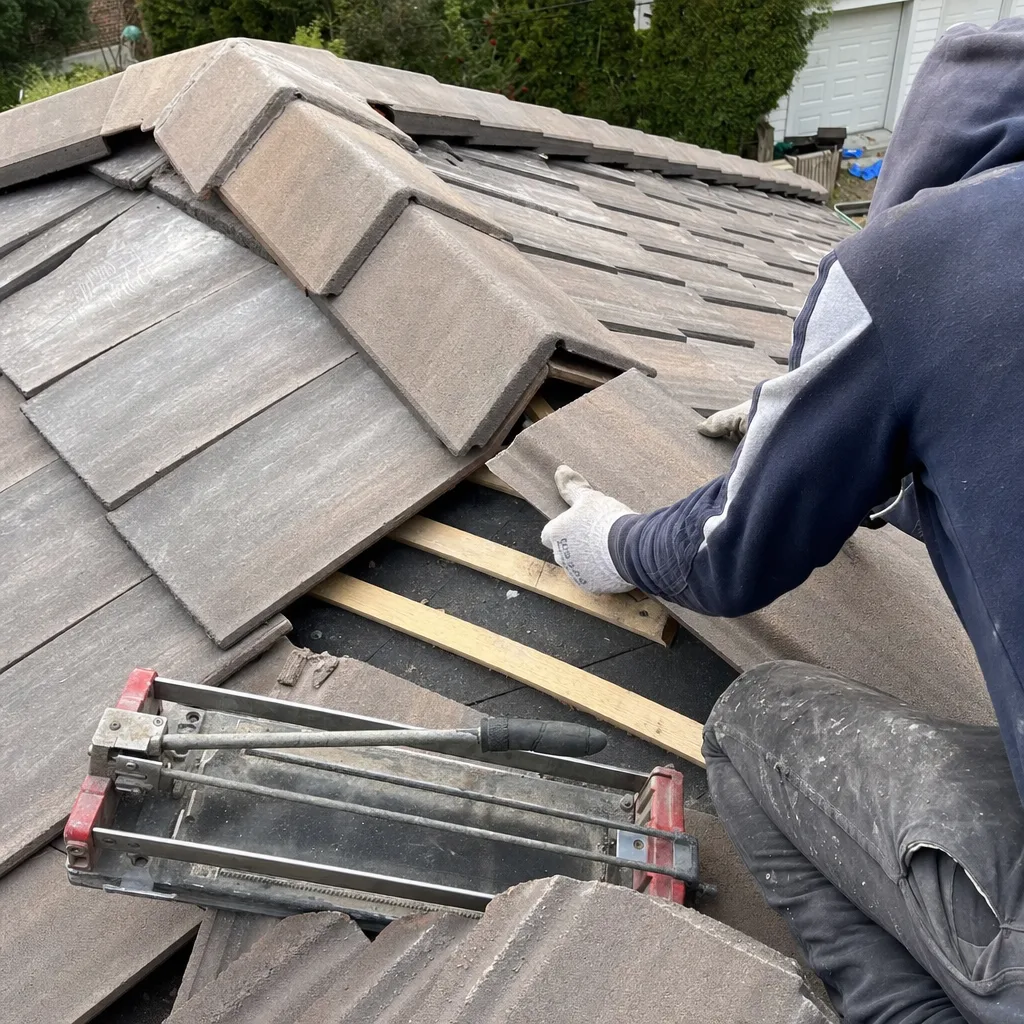
Insurance claims for storm damage in Long Island City require documentation that matches what carriers now expect after Superstorm Sandy’s lessons. We photograph every layer exposed, note pre-existing conditions versus fresh storm damage, and provide written assessments that distinguish between wind-driven rain entry and structural failure. For condo buildings in ZIP 11101 and 11109, we coordinate with property managers to produce the portfolio-level documentation that master policies demand. Our estimates use standard insurance pricing databases, and we meet adjusters on-site when requested. The goal is simple: your claim moves forward without the back-and-forth that leaves homeowners waiting.
Wind Damage
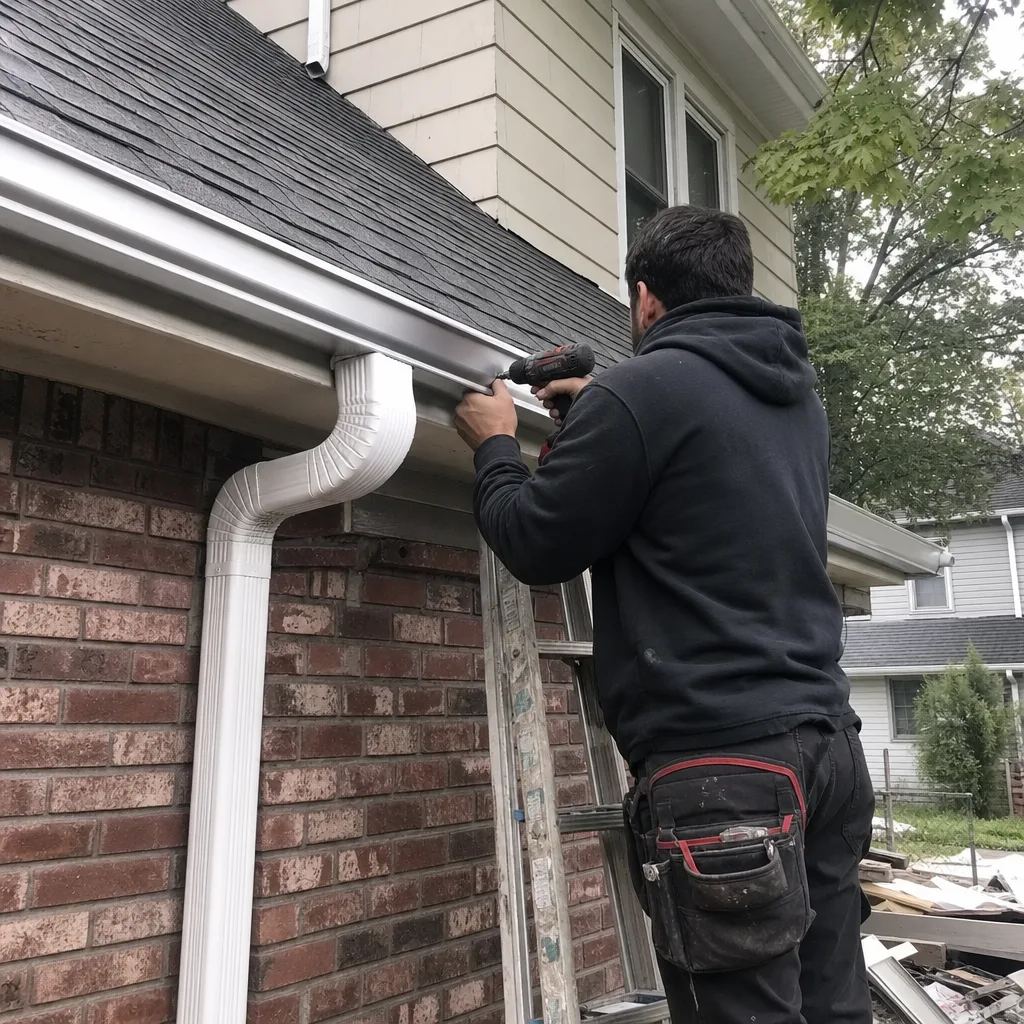
Wind damage in Long Island City concentrates at parapet-to-roof transitions, mechanical penthouse penetrations, and edges where channeled river wind finds a lifting point. Post-2010 high-rises along Center Boulevard face particular challenges at rooftop amenity terraces and green roof transitions, where membrane termination bars must resist sustained gusts. Our wind damage assessments check not only the visible tear but the substrate beneath it; wind that lifts a membrane often loosens fasteners or insulation boards that will fail on the next storm. We repair to manufacturer specifications for GAF, CertainTeed, and Owens Corning systems, using proper materials with no substitutions.
What happens when you call
- 1
A real person answersNo phone trees - you reach a local pro.
- 2
You get an upfront price rangeHonest numbers before anyone is dispatched.
- 3
A background-checked tech heads outLicensed & insured, dispatched right away.
- 4
You approve before work beginsNothing starts until you say go.
Trusted Brands We Service in Long Island City
We maintain stock on our Long Island City emergency trucks for the systems we encounter most: CertainTeed modified-bitumen cap sheets for legacy walk-up repairs, Owens Corning Duration shingles where storm damage has exposed pitched roof sections on converted carriage houses, and Atlas TPO membrane for flat-roof emergency patches on newer construction. For industrial loft buildings requiring full replacement, we’re authorized installers of IKO and Boral systems as well. Having the correct material on hand means we don’t leave your roof temporarily sealed with a product that won’t match the permanent repair. That’s the difference between an emergency patch and an emergency solution.
Common Emergency & Storm Damage Problems We See in Long Island City Homes
- Coal-tar pitch exposure after cap-sheet blow-off. On converted industrial buildings near the waterfront, storm winds peel back modified-bitumen or gravel-surfaced caps to reveal original coal-tar BUR beneath. This triggers NYC DEP hazardous-material notification requirements, certified disposal protocols, and scheduling delays that residential roofers rarely anticipate.
- Parapet and mechanical-penetration leaks from salt-air corrosion. Long Island City’s East River exposure accelerates flashing deterioration at roof edges and around HVAC curbs. Emergency repairs that only address the visible leak miss the corroded metal beneath, guaranteeing premature failure.
- Green-roof drainage backup during intense rainfall. Buildings that added vegetated roofs to comply with Local Law 92/94 sometimes experience emergency overflow when storm debris clogs drainage assemblies, sending water into occupied levels below.
- Secondary membrane failure from improper wind-uplift repair. Standard single-ply TPO patches applied without reinforcement at parapet transitions fail repeatedly in Long Island City’s channeled wind corridor, causing callbacks and interior damage that the original storm didn’t create.
Pricing for Emergency & Storm Damage in Long Island City, NY
Emergency tarp service in Long Island City typically runs $350-$650 for standard residential or small commercial roofs, and $800-$1,400 for large-format industrial lofts requiring reinforced tie-downs and structural anchoring. Storm damage repair pricing depends on exposure depth: surface patching of modified bitumen or TPO runs $450-$950; repairs that expose and require DEP-coordinated removal of coal-tar pitch layers range $1,800-$4,500 due to certified disposal and testing costs. Full emergency replacement on converted loft buildings, incorporating Local Law 92/94 green-roof or solar mandates, generally starts at $18-$28 per square foot.
| Service | Typical Range in Long Island City |
|---|---|
| Emergency tarp (residential/small commercial) | $350 - $650 |
| Emergency tarp (large industrial loft) | $800 - $1,400 |
| Surface storm damage repair | $450 - $950 |
| Repair with coal-tar pitch exposure/dep coordination | $1,800 - $4,500 |
| Emergency full replacement with Local Law 92/94 compliance | $18 - $28/sq ft |
Every emergency call includes a free, written estimate with no-hassle upfront pricing. The number on our estimate is the number on your invoice. We also honor a permanent 5% Senior and Veteran discount, and $50 off any repair over $250. Call (866) 756-1978 for exact pricing on your specific situation.
We Also Serve Cities Near Long Island City
Our Emergency & Storm Damage team responds throughout western Queens and northern Brooklyn, including Greenpoint’s historic row houses, Sunnyside’s pre-war co-ops, Gramercy Park’s landmark buildings, and Astoria’s mixed residential stock. Each area presents different roofing challenges, but our core approach stays constant: honest assessment, upfront pricing, and work we stand behind. For property owners specifically in Long Island City, we offer the specialized expertise that legacy industrial conversions demand.
Serving Long Island City, NY - Our Local Coverage Area
We’re based in the Long Island City area and know this community well. Use the map below to see our service coverage - if you’re nearby, we can almost certainly help.
FAQs - Emergency & Storm Damage in Long Island City
Yes, any repair that exposes or disturbs coal-tar pitch built-up roofing triggers NYC DEP hazardous-material notification requirements, and disposal must go to a certified facility. We handle this coordination as part of our standard emergency response on Long Island City’s converted industrial buildings, so project shutdowns don’t add to your stress. Call (866) 756-1978 and we’ll walk you through the specific protocol for your property.
Local Law 92/94 requires that any substantial roof replacement on Long Island City buildings incorporate a qualifying green roof or solar array, which means emergency replacements on legacy industrial lofts must be designed as hybrid retrofits from the start. We factor this mandate into our emergency assessments, so your temporary repair doesn’t compromise the permanent solution. Our estimates include the full scope needed for code compliance.
The channeled wind corridor between Midtown Manhattan and Long Island City’s towers creates uplift forces that tear standard tarp tie-downs free; salt-laden air also degrades temporary fastening materials faster than inland. Our emergency tarps use reinforced edge tie-downs anchored to structural elements, not gravel stops, and we select materials rated for marine-corrosion exposure. Most of our Long Island City emergency tarp installations hold through multiple storm events.
Yes, if the emergency repair is designed with the final assembly in mind; we specify compatible substrates and drainage components during temporary and permanent repairs so the green roof installation proceeds without stripping our work. This saves Long Island City condo boards significant cost and disruption. We document every layer for the design team that follows.
Long Island City claims often require documentation distinguishing between pre-existing industrial-roof conditions and fresh storm damage, plus proof of DEP compliance if coal-tar pitch was exposed. We produce photo-documented assessments that address these specific carrier concerns, and we meet adjusters on-site in 11101, 11109, and 11120. Call (866) 756-1978 to schedule your free inspection and get your claim moving.
After a nor’easter tore through a converted factory loft on 5th Street near the Hunters Point waterfront, our crew found the modified-bitumen cap sheet peeled back, exposing two generations of underlying coal-tar BUR. We coordinated DEP-mandated testing, installed a temporary emergency tarp with reinforced edge tie-downs to resist East River wind uplift, and then executed a full hybrid retrofit with a green roof to meet Local Law 92/94, all while the building’s condo board continued normal operations. That’s how Ridgeline Roofing Co. handles emergency and storm damage in Long Island City: we know the building, we know the code, and we know how to keep your property protected while we work.
Don’t let storm damage sit while a contractor figures out your neighborhood. We’re already here. Call (866) 756-1978 for 24/7 emergency response, free estimates, and work backed by our written 90-Day Done Right Promise. Sal Benedetto and the Ridgeline Roofing Co. team have served Long Island City since 2016, and we’ll be here to stand behind every repair we make.
Written by Sal Benedetto, Owner at Ridgeline Roofing Co., serving Long Island City since 2016.